
NewsNEWCENTER
Featured products
Contact Us
Ways to Extend the Service Life of a Liquid-Ring Vacuum Pump
2026-10-21With the increasing development of urban infrastructure, the advantages of liquid-ring vacuum pumps are being widely utilised, bringing considerable convenience to operations. To ensure optimal performance, let us now explore some methods for extending the service life of liquid-ring vacuum pumps.
During the operation of a liquid-ring vacuum pump, the oil level should be checked regularly; if it does not meet the required level, it must be adjusted promptly to ensure compliance. As a general rule, the oil level should reach the centre of the oil gauge when the pump is in operation. The oil change interval should be determined at the user’s discretion, taking into account actual operating conditions and whether performance requirements are being met. Generally, for new vacuum pumps extracting clean, dry gases, it is recommended to change the oil once every 100 hours of operation. Once no black metallic particles are visible in the oil, the oil change interval may be extended appropriately. Briefly run the motor to check that the rotation direction is correct.
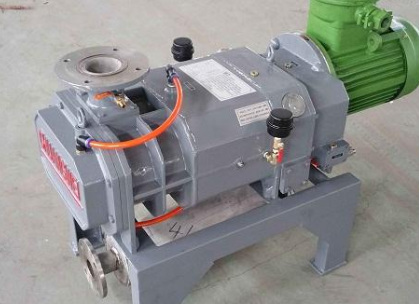
Where possible, clean the pipes periodically during the operation of the liquid-ring vacuum pump to ensure the pipework remains unobstructed. Unscrew the priming plug on the pump body, fill with priming water, and check the oil condition frequently. Should the oil be found to have deteriorated, replace it promptly with fresh oil to ensure the vacuum pump operates normally. Generally, water-ring vacuum pumps should undergo maintenance after 2,000 hours of operation. Check the degree of ageing of the rubber seals and inspect the exhaust valve discs for cracks; remove any dirt accumulated on the valve discs and exhaust valve seats. Clean all components within the vacuum pump chamber, such as the rotor, vanes and springs. These are typically cleaned with petrol and then dried. Rubber components should simply be wiped dry with a clean cloth after cleaning. When disassembling and cleaning, handle components with care to avoid damage. After reassembly, a test run should be carried out; typically, the pump should run idle for 2 hours and the oil changed twice, as volatile substances may remain in the vacuum pump following cleaning. Only resume normal operation once the pump is functioning correctly. Effectively extending the service life of water-ring vacuum pumps and reducing maintenance requirements plays a significant role in improving a factory’s economic efficiency.
The above outlines methods for extending the service life of water-ring vacuum pumps. As these pumps are characterised by stable and reliable performance and deliver excellent results, it is essential to follow the correct operating procedures to avoid unnecessary complications. We hope the information provided here proves helpful.