
NewsNEWCENTER
Featured products
Contact Us
Power supply options for water-ring vacuum pumps
2026-10-20With the rapid development of urban construction in China, water-ring vacuum pumps are being used more and more widely. To make better use of cranes, let us take a look at the various power supply methods for water-ring vacuum pumps.
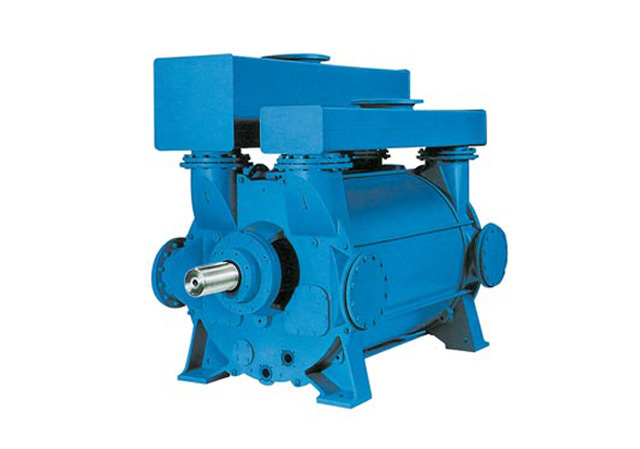
Water-ring vacuum pumps require a power supply to operate and can function normally when connected to a power source, though the methods of power supply vary. Efficiency also differs depending on the power supply method. Water-ring vacuum pumps extract water or other liquids as their working medium, whilst micro-vacuum pumps and micro-air pumps with a higher specific gravity use gas as their working medium. Lighter vacuum pumps generally have a higher operating current than the latter—typically ranging from 1 to over 10 amperes—whereas the operating current of the latter is generally lower, ranging from several hundred milliamps to several amperes. They can provide a higher current and power output, and are widely used in situations where electricity is scarce, such as in electric vehicles, motor vehicles and other mobile vehicles, agricultural spraying, and field sampling. Common dry cell batteries have high internal resistance and provide a low current; as the majority of the voltage is consumed by this internal resistance, the voltage drops rapidly. From the perspectives of power consumption and operating time, they are therefore suitable for powering water-ring vacuum pumps. Selecting an appropriate power supply method is essential for smooth operation. Only an appropriate power supply method can reduce costs and play a significant role in improving the operational efficiency of the equipment.
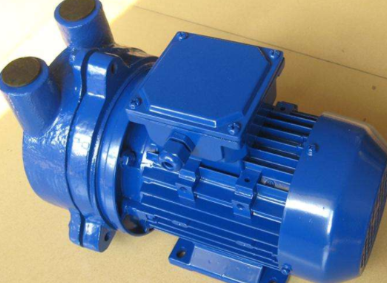
The above covers the power supply methods for water-ring vacuum pumps. Owing to their characteristics and advantages, their range of applications is expanding. During operation, it is necessary to select the appropriate operating method based on actual conditions in order to achieve optimal results. We hope the information provided here proves helpful.