
NewsNEWCENTER
Featured products
Contact Us
The Issue of Operational Efficiency in Liquid-Ring Vacuum Pumps
2026-07-30As water-ring vacuum pumps have become widely used in our daily lives, their operational characteristics and advantages have gained widespread recognition. To ensure their optimal use, let us explore the factors affecting the operational efficiency of water-ring vacuum pumps.
Water-ring vacuum pumps have delivered excellent results across many industries. Given their strong vacuum performance and overall effectiveness, the upper limit of the vacuum system must first be set during operation. For example, if the upper limit is set at –0.08 MPa and the lower limit at –0.06 MPa, upon starting the system, one of the Roots vacuum pumps will begin operating until the vacuum level in the vacuum tank exceeds the upper limit of –0.08 MPa, at which point the water-ring vacuum pump automatically stops operating and the vacuum tank’s vacuum check valve automatically closes.
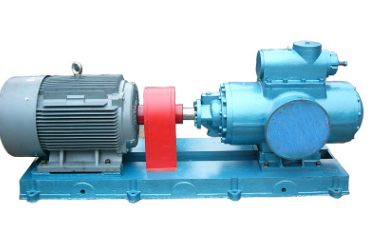
If, due to operational requirements, the vacuum level in the vacuum line drops below –0.06 MPa, the other water-ring vacuum pump automatically starts up until the vacuum level in the vacuum line rises to the upper limit of –0.08 MPa. This cycle repeats continuously, ensuring that the vacuum level in the vacuum tank is always maintained between the upper and lower limits. When the upper and lower limits of a water-ring vacuum pump are set appropriately, the equipment’s efficiency is enhanced in many respects during operation.
The above covers the issue of operational efficiency in water-ring vacuum pumps. You may select the appropriate method based on actual operational requirements to avoid unnecessary losses caused by improper operation. Should you have any further queries, please visit our website, where we regularly update our articles; we hope you find them helpful.