
NewsNEWCENTER
Featured products
Contact Us
The Problem of Bearing Overheating in Water-Ring Vacuum Pumps
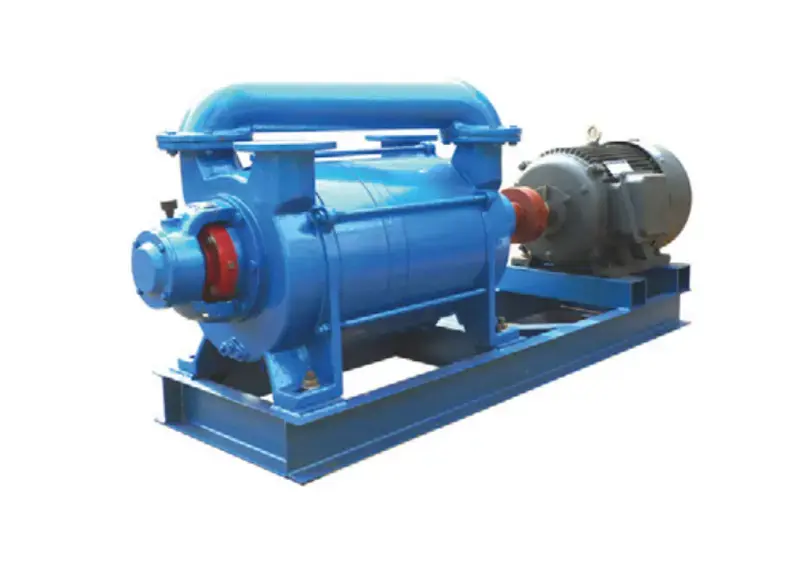
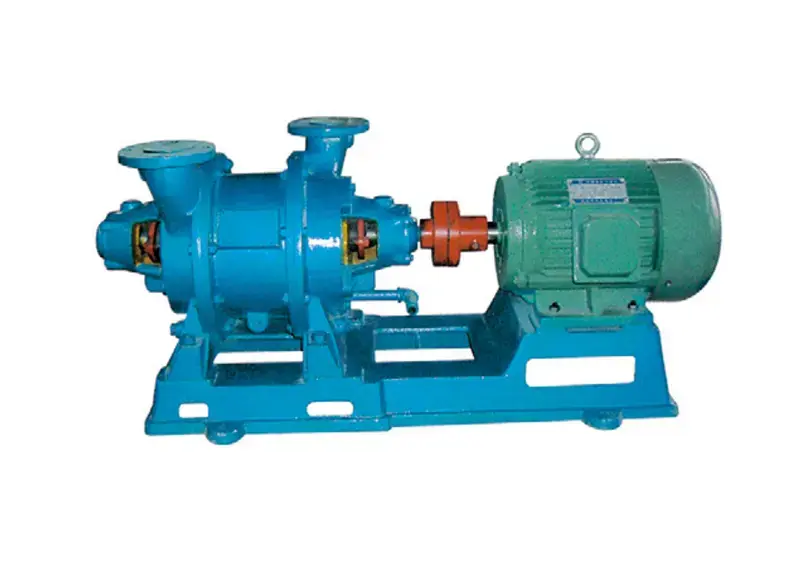
2026-07-31With the rapid development of urban planning and construction, water-ring vacuum pumps are now widely used in various projects, and their numerous advantages have been widely recognised. To ensure their optimal use, let us now examine the issues surrounding bearing overheating in water-ring vacuum pumps.
During the operation of a liquid-ring vacuum pump, the condition of the bearings determines whether the equipment can function properly. The bearings of a liquid-ring vacuum pump may sometimes overheat due to external environmental factors or improper use, causing the temperature of the entire vacuum pump to rise gradually. Any signs of bearing overheating must be addressed immediately upon detection. Excessive bearing preload can reduce or eliminate bearing clearance, leading to an increase in bearing temperature. Excessive vibration of the pump body or bearings can also lead to overheating. Inspect the pump body to identify the cause of the vibration; once this is eliminated, the bearing temperature will return to normal.
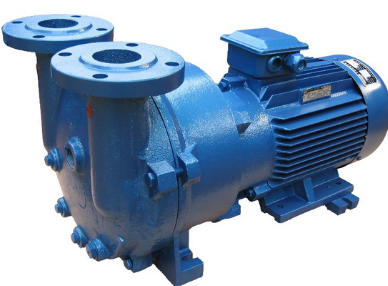
Excessive or insufficient grease in a liquid-ring vacuum pump, the use of an unsuitable grease type, prolonged use, or contamination of the grease can all cause the bearings to overheat. In such cases, the type of grease should be checked, the manufacturer consulted regarding the appropriate quantity, and the grease adjusted accordingly to restore normal bearing temperature. If a valve plate cracks, the pressure on either side of the impeller will become unbalanced, generating an axial force on the rotor which increases the load on the bearings; prolonged operation will cause the bearing temperature to rise. In this situation, the valve plate should be replaced promptly. If the packing at the shaft end is damaged or the seal water passages are blocked, air may be drawn into the pump body through these gaps, compromising the pump’s suction and discharge performance. If the seal fails on only one side, this will cause an imbalance in pressure on either side of the impeller, generating an axial force on the rotor, which increases the load on the bearings and consequently raises their temperature. To prevent such issues from arising, regular maintenance is essential and, to a certain extent, helps to extend the service life of the vacuum pump.
The above covers the issue of bearing overheating in water-ring vacuum pumps. Provided that the prescribed procedures are followed, satisfactory results can be achieved and service life extended. Should you have any queries, please do not hesitate to contact us; we will provide professional advice to help you avoid losses caused by improper operation.