
NewsNEWCENTER
Featured products
Contact Us
Reasons why a water-ring vacuum pump fails to achieve a vacuum
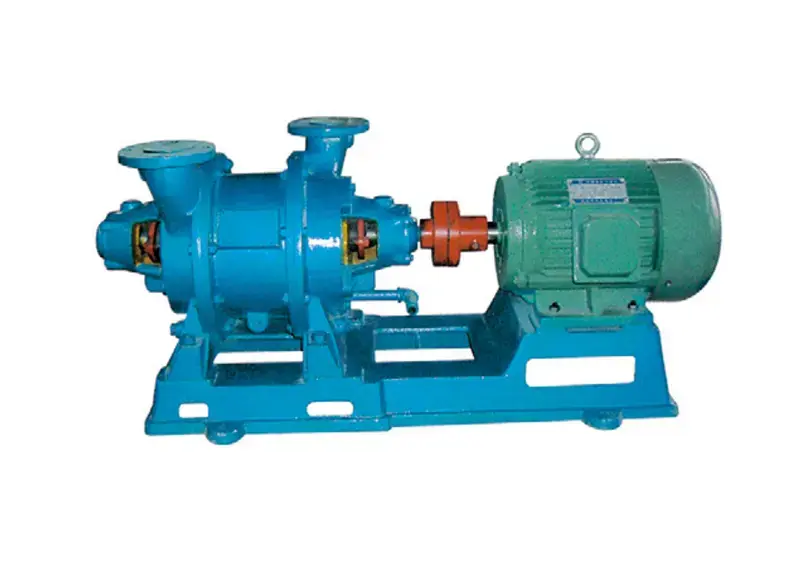
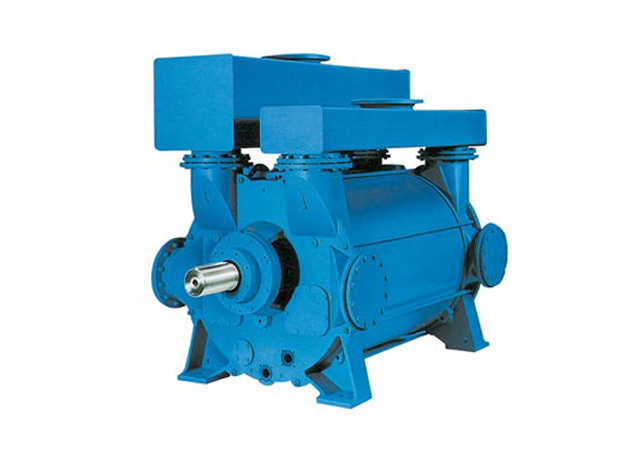
2026-07-29With socio-economic development, water-ring vacuum pumps have come to be widely used across many sectors. Their advantages, such as a long service life and low investment costs, mean that high performance standards are required of the product, which in turn places greater demands on operational skills. Let us now explore the reasons why a water-ring vacuum pump may fail to achieve a vacuum.
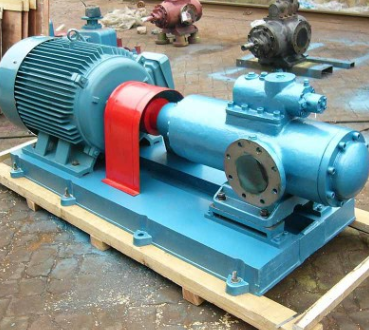
Nowadays, everyone is well aware of the advantages of water-ring vacuum pumps. However, with their widespread use in factories, agricultural irrigation and other industrial sectors, it is inevitable that issues with failure to achieve a vacuum may arise during operation. This could be due to the power cable being connected in reverse or a missing phase, or the motor rotating in the wrong direction, in which case maintenance is required. Check the pump oil; ensure the correct amount is added, and replace it after prolonged use. Check for blockages or leaks in the pipework between the vessel and the equipment, and ensure the air filter cartridge is not clogged; if it has been in use for a long time, it will need cleaning to remove debris. The seal of the system being evacuated may not meet requirements, or the vessel may be leaking excessively. Cracked impeller blades in the water-ring vacuum pump can prevent a vacuum from being generated; the blades will need replacing, but do not dismantle the equipment without proper guidance to avoid rendering the vacuum pump inoperable.
The above outlines the reasons why a water-ring vacuum pump may fail to achieve a vacuum. As its advantages lead to increasingly widespread application, please do not hesitate to contact us if you have any queries; we will provide professional advice to help you avoid losses caused by improper use. We hope the information above proves helpful to you all.