
NewsNEWCENTER
Featured products
Contact Us
The Corrosion-Resistant Properties of Water-Ring Vacuum Pumps
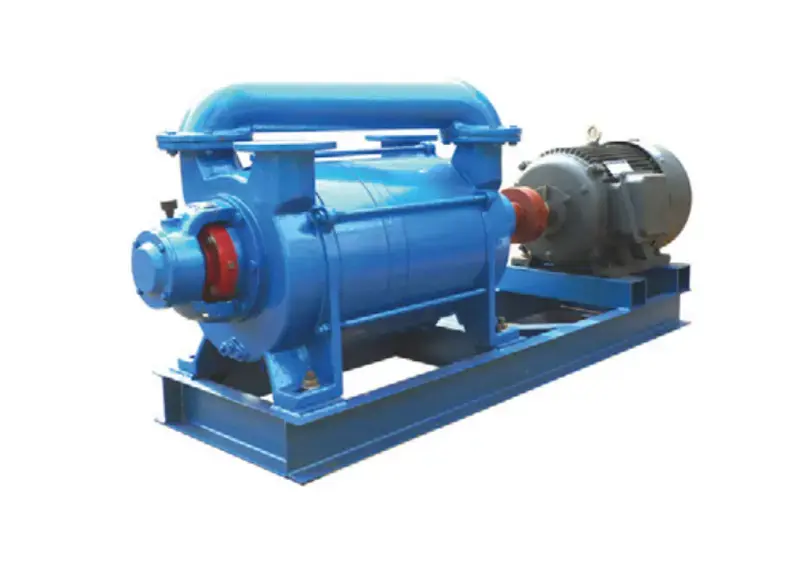
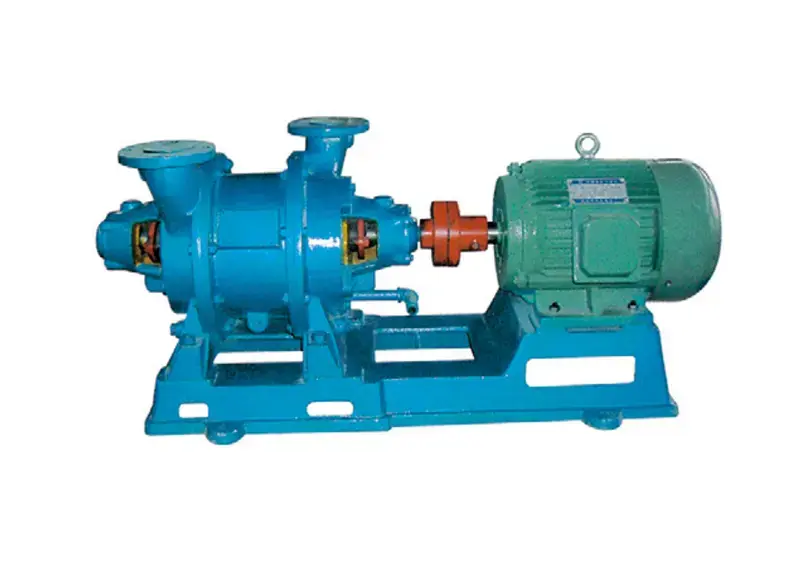
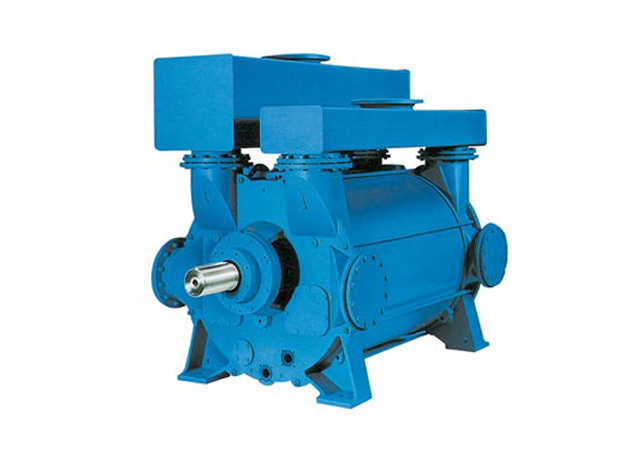
2026-07-28There is a wide variety of vacuum equipment used in industry, and we should take care to protect it whilst in use. The corrosion protection measures for water-ring vacuum pumps come into play should corrosive gases inadvertently be drawn in. As water-ring vacuum pumps frequently come into contact with various liquids, it is essential to reinforce corrosion protection measures. Let us now take a look at the role of corrosion protection in the operation of water-ring vacuum pumps.
First, remove the surface oxide layer by cleaning the surface of the water-ring vacuum pump with acetone. Adjust the material proportions and stir thoroughly until there is no colour variation. Begin by applying a thin coat of the material to ensure a tight bond and complete coverage. Apply the material evenly to the surfaces of the water-ring vacuum pump components requiring repair and protection, achieving the required coating thickness. The thickness of the repair and protective coating must comply with the clearance requirements between the impeller and the disc. Curing for 24 hours at 24°C, or curing after heating, can improve the overall stability of the material; however, the temperature must not exceed the material’s temperature resistance limit. All parts of the water-ring vacuum pump should be treated with anti-corrosion measures prior to use. This provides strong corrosion protection for the vacuum pump, extending the equipment’s service life, improving efficiency in the long term, and playing a vital role in enhancing maintenance.
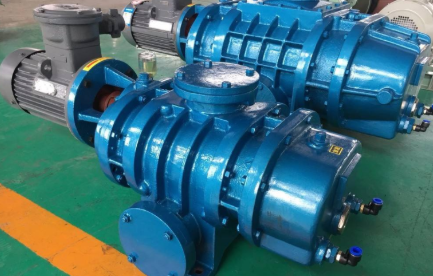
The above outlines the anti-corrosion measures for water-ring vacuum pumps. During operation, strict adherence to operating procedures is essential to avoid unnecessary complications. Should you have any queries, please do not hesitate to contact us; we will be happy to provide you with appropriate advice.