
NewsNEWCENTER
Featured products
Contact Us
Causes of a drop in liquid level in a water-ring vacuum
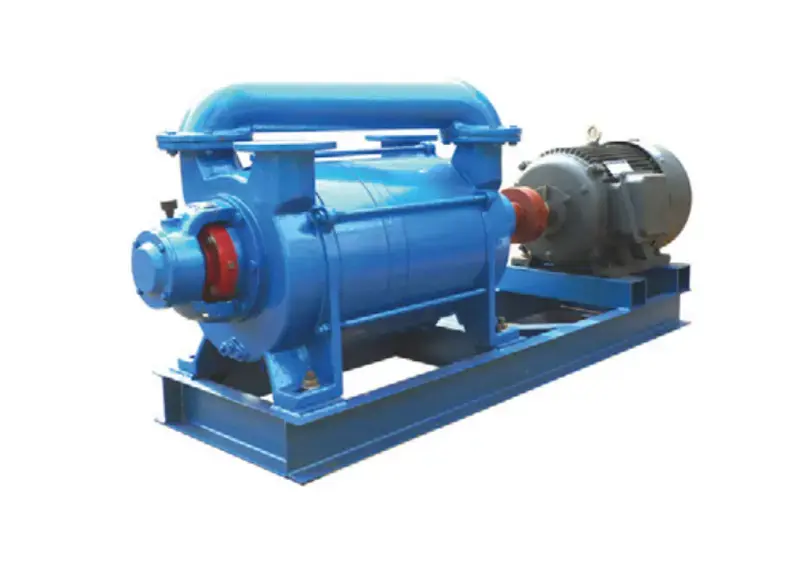
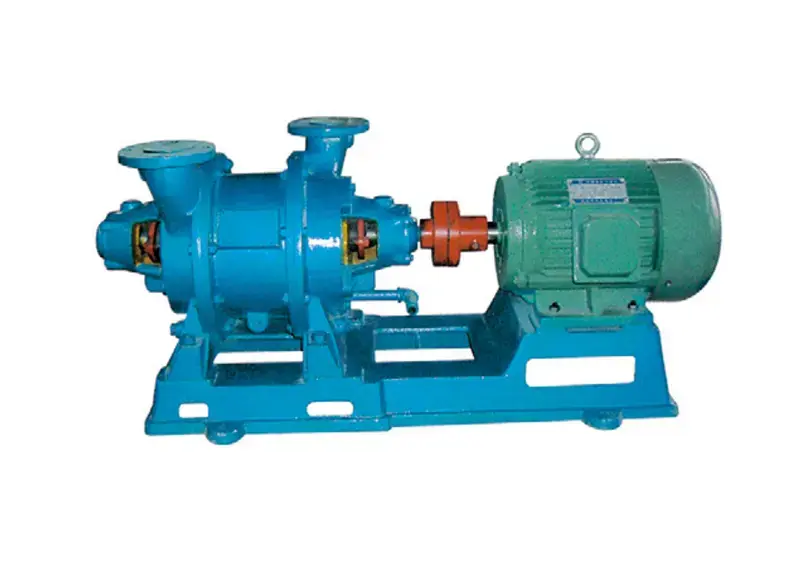
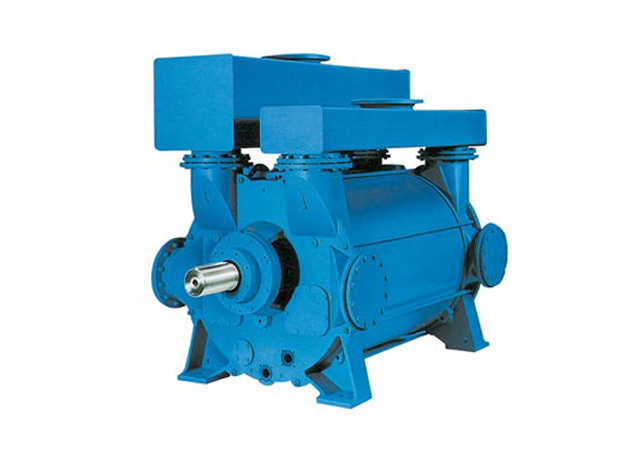
2026-08-13As water-ring vacuum pumps become increasingly widespread and their quality continues to improve, they are widely adopted due to their distinctive advantages. To help you make the best use of them, let us now explore the causes of a drop in the liquid level within water-ring vacuum pumps.
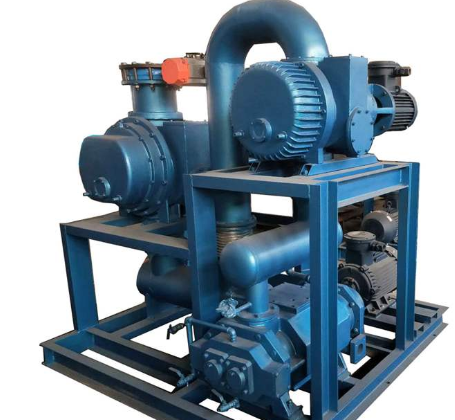
During operation, fluctuations in the liquid level within the separator of a water-ring vacuum pump directly affect the equipment’s performance. The gas extracted by the pump contains vapour, which may condense into water, causing the liquid level to rise and consequently increasing the motor’s power consumption; however, it is more likely that the liquid level will drop (or even run dry), leading to a sharp decline in pump performance. This, in turn, causes changes in condenser pressure, thereby affecting the efficiency of the generating set.
We typically use mechanical float control valves—one to control water inflow and one to control drainage—to maintain the liquid level within a specified range. In addition to using this method to ensure liquid level stability, as a precaution, upper and lower limit alarm switches are fitted to the on-site magnetic flip-plate level gauge connected to the separator; these are wired to the control room to provide remote liquid level alarm functionality. Another method of controlling the liquid level involves the use of solenoid valves for water replenishment and drainage; a level switch is fitted to the separator, and the signal it outputs controls the solenoid valve to replenish or drain water. A drop in the liquid level of a liquid-ring vacuum pump not only affects the normal operation of the equipment but may even cause damage; therefore, during daily use, we must ensure that operations are carried out in accordance with standard procedures and that suitable stabilisation devices are properly configured to guarantee a stable internal liquid level.
The above outlines the causes of reduced liquid level in water-ring vacuum pumps. We encourage you to familiarise yourselves with this information; following the correct operating procedures during use is essential to achieve optimal results. Should you have any queries, please do not hesitate to contact us by telephone. We will provide appropriate advice based on your specific requirements to help you avoid unnecessary complications arising from improper operation.