
NewsNEWCENTER
Featured products
Contact Us
The main function of the water-ring vacuum pump bearing housing
2026-10-26Nowadays, the advantages of water-ring vacuum pumps are widely recognised. As their characteristics have gained widespread acceptance, their usage is becoming increasingly common. To extend their service life, it is essential to carry out the necessary maintenance and servicing. Let us now take a look at the main functions of the bearing housing in a water-ring vacuum pump.
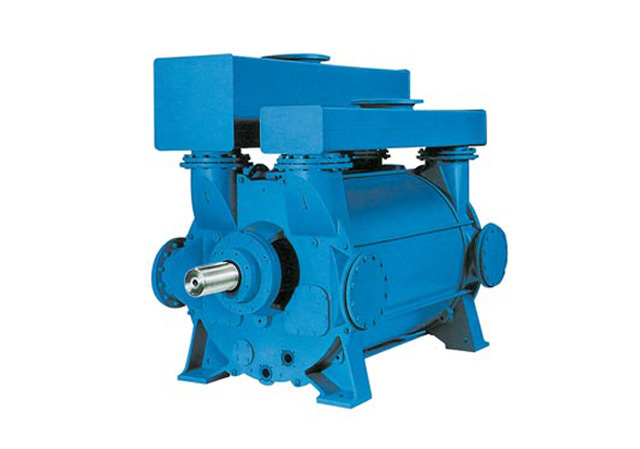
The primary functions of a water-ring vacuum pump are to extract gas and water; however, the functions of certain components must not be entirely overlooked during operation, as these components often determine the overall performance. The bearing housing can be adjusted using bolts and set screws, and moves horizontally within the suspension. Whilst the bearing housing of a water-ring vacuum pump can move within the suspension, there is no relative displacement between the inner and outer rings of the bearing, ensuring high speed and optimal performance. Radial bearings at both the vacuum pump and motor ends, as well as the thrust bearing at the motor end, can be utilised according to their respective positions. As there is no relative displacement in the liquid ring vacuum pump, the oil seals can function normally; the shaft features a shoulder to facilitate bearing installation and removal. During operation, we must not overlook the role of the bearing housing and should carry out relevant maintenance tasks.
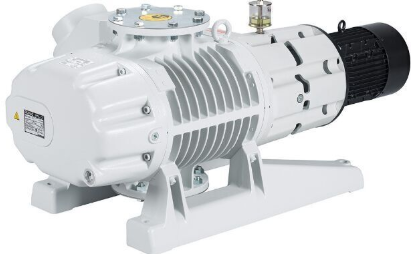
The above outlines the primary functions of the bearing housing in a liquid-ring vacuum pump. To ensure stable operational performance, installation must be carried out in accordance with specified requirements. Users may select the appropriate components based on their actual needs. Should you require further assistance, please do not hesitate to contact us; as a specialist manufacturer, we will provide sound advice to help you avoid losses resulting from ill-informed choices.