
NewsNEWCENTER
Featured products
Contact Us
Reasons why water-ring vacuum pumps require a continuous supply of water
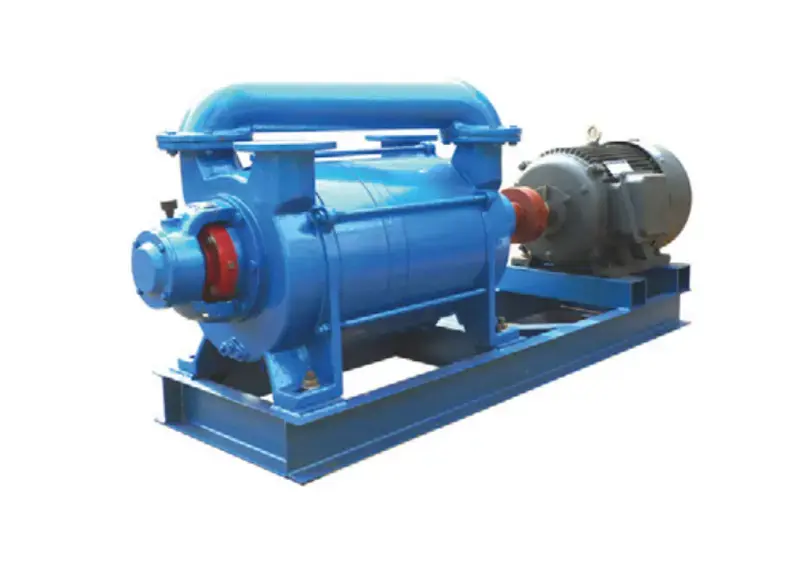
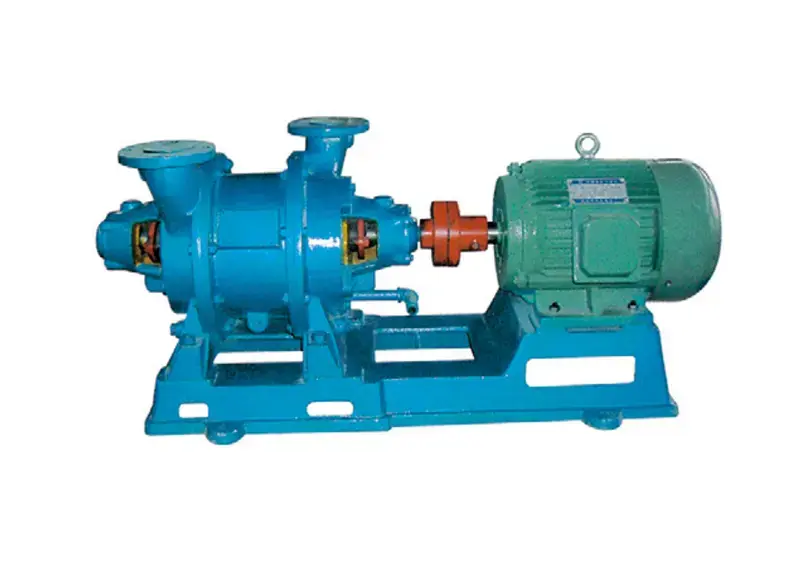
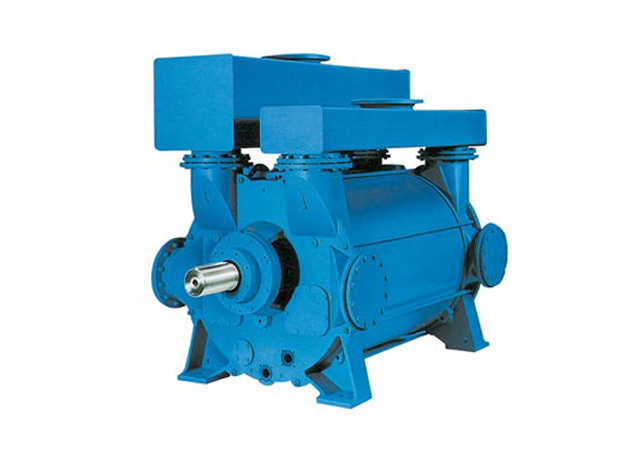
2026-08-08Water-ring vacuum pumps are widely recognised for their excellent performance and are becoming increasingly common. They offer advantages such as simple construction, good resistance to chemical corrosion and an attractive appearance. Below, we will explore the reasons why water-ring vacuum pumps require a continuous supply of water.
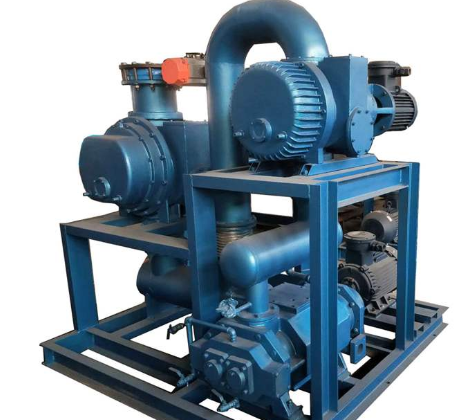
In the operation of water-ring vacuum pumps, water serves as the primary medium, and normal operation is dependent on water circulation. For the equipment to operate efficiently, water must be continuously replenished to facilitate this circulation. As the pump requires a liquid working medium during operation, water is generally selected for this purpose. When the impeller rotates clockwise, water is flung outwards by the impeller. Due to centrifugal force, the water forms a closed ring of approximately uniform thickness, which determines the shape of the pump chamber. The lower inner surface of the water ring is tangent to the impeller, whilst the upper inner surface of the water ring is in contact with the top of the impeller blades. At this point, the impeller and the water ring form a crescent-shaped space.
In a water-ring vacuum pump, taking the lower part of the impeller at 0° as the starting point, as the impeller rotates through the first 180°, the volume of the small chamber increases and communicates with the inlet port on the end face; at this point, gas is drawn in. When the suction phase ends, the small chamber is isolated from the inlet port; As the impeller continues to rotate, the volume of the small chamber decreases, causing the gas to be compressed; when the small chamber communicates with the discharge port, the gas is expelled from the water-ring vacuum pump. When the water level drops, the efficiency of the water-ring vacuum pump decreases, energy consumption increases, and operating costs rise. The working fluid serves not only to extract gas but also to reduce the temperature of the pump body. If the working fluid level falls significantly below the normal level, this will increase the heat load on the pump body, reduce its durability and increase maintenance costs. As water-ring vacuum pumps require a sufficient supply of water to circulate during operation, water should be topped up continuously to reduce energy consumption and improve efficiency. This promotes the discharge of gas from the equipment and also helps to stabilise the gas pressure.
The above explains why water-ring vacuum pumps require continuous water replenishment. We encourage you to familiarise yourselves with this information and select the appropriate model based on your actual requirements to avoid unnecessary complications arising from improper use. Should you have any queries, please do not hesitate to contact us; as a specialist manufacturer, we are on hand to provide expert advice.