
NewsNEWCENTER
Featured products
Contact Us
Methods for Detecting Leaks in Water-Ring Vacuum Pumps
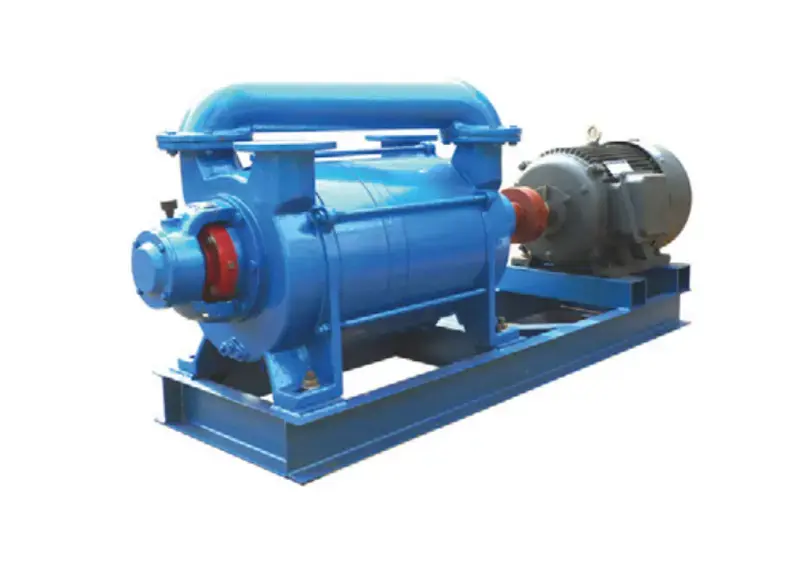
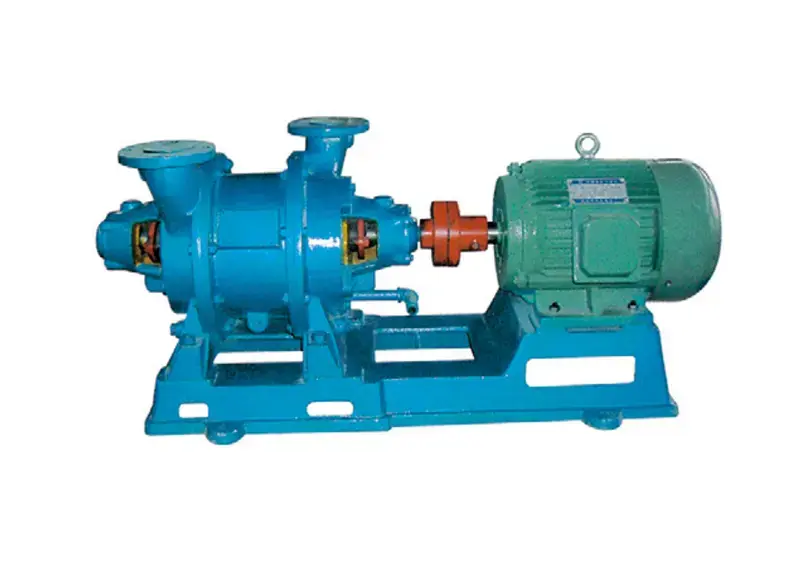
2026-08-10Water-ring vacuum pumps are widely used across many sectors. With advantages such as a long service life and low investment costs, they are subject to relatively high performance requirements, which in turn places greater demands on operational skills. Let us now take a look at the methods available for detecting leaks in water-ring vacuum pumps.
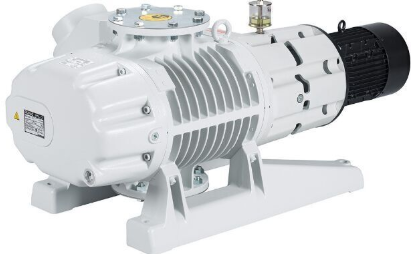
Water-ring vacuum pumps must be leak-free; any leaks can easily allow air or other impurities to enter, causing a drop in vacuum level. There are certain areas that we routinely inspect, particularly potential leak points. Minor and micro-leaks are difficult to detect; a common method involves utilising the ionisation tube of the liquid-ring vacuum pump, which is highly sensitive to gas reactions—such as those of acetone and ethanol—under high-vacuum conditions. By injecting acetone and ethanol onto suspected areas using a syringe, the needle of the ionisation gauge will exhibit a noticeable fluctuation when the solution reaches a leak point. Injection should only be carried out once the ionisation gauge reading has stabilised—that is, once the suction capacity of the water-ring vacuum pump has reached equilibrium with the leakage rate. It is recommended to repeat this procedure several times to confirm the leak location.
Internal leaks in water-ring vacuum pumps most commonly occur in units with water-cooled jackets. Whilst external leaks are not suspected, the suction rate of the mechanical pump is noticeably low, the vacuum reading is low, the mechanical pump oil emulsifies rapidly, and iron-based components within the vacuum chamber show significant rusting. If the above conditions are met, an internal leak can generally be confirmed. First, clean the inner walls, then circulate cooling water to check for damp spots; these damp spots indicate the leak points. For major leaks, the flame test method may be used, utilising the principle that airflow causes a flame to deviate. First, evacuate the system, then gradually scan the area around the suspected leak point with a candle or lighter; if the flame deviates at a leak point, the leak has been located. Once a leak has been detected, seal it immediately and fit the appropriate seals.
The above outlines methods for detecting leaks in water-ring vacuum pumps. Please familiarise yourselves with these procedures and strictly adhere to the operating requirements during operation to avoid unnecessary complications. Should you have any queries, please do not hesitate to contact us by telephone. We hope the information provided here proves helpful.