
NewsNEWCENTER
Featured products
Contact Us
Methods for addressing a decrease in vacuum level in water-ring vacuum pumps
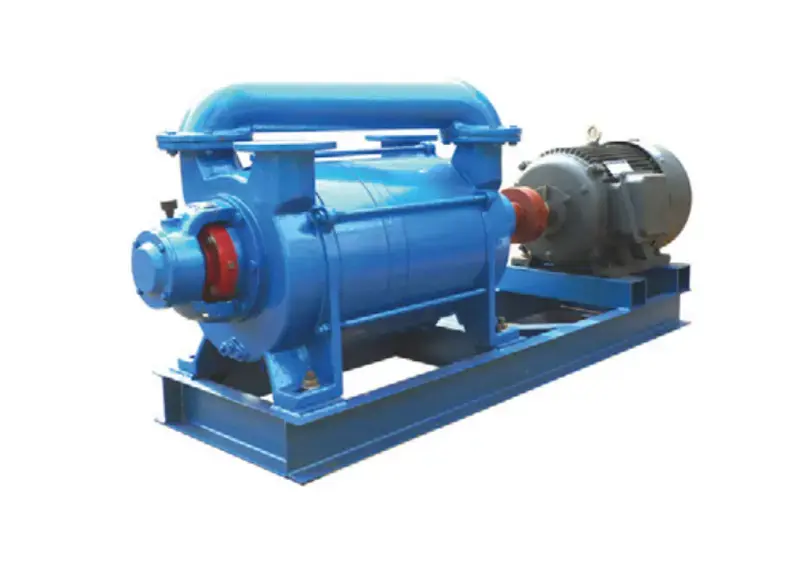
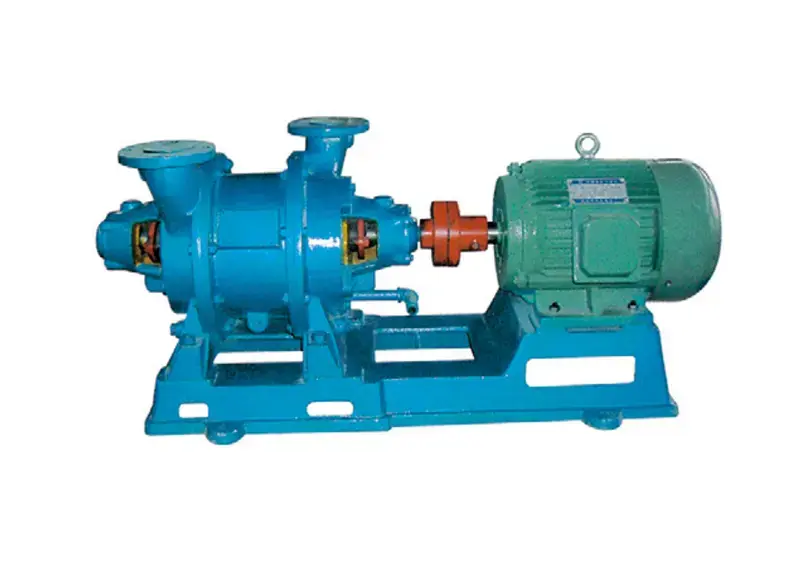
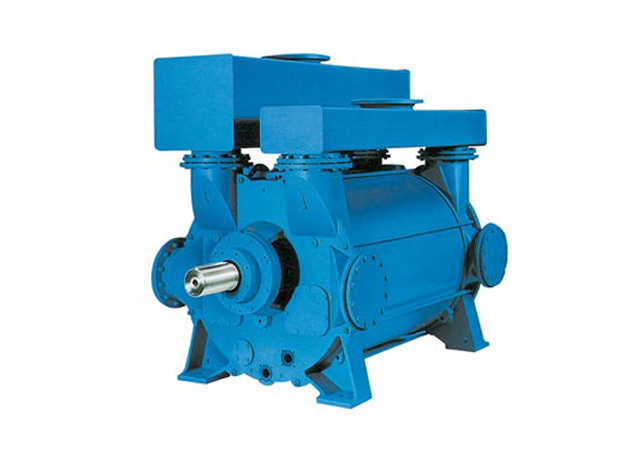
2026-08-31Water-ring vacuum pumps now offer a range of advantages and are widely used in various projects, having gained widespread recognition and becoming increasingly common. However, they must be operated in strict accordance with the operating instructions to achieve optimal results. Let us now explore the methods for addressing a decrease in vacuum level in water-ring vacuum pumps.
After prolonged use of a water-ring vacuum pump, factors such as increased clearances due to wear between components, blockages and slow rotational speed can lead to a reduction in vacuum level, preventing the equipment from performing to its full potential. A decrease in vacuum level in a water-ring vacuum pump is caused by an insufficient water supply, air leaks in the seal packing, misalignment of the bearings leading to collision and friction between the impeller and the side cover—resulting in scoring and air leaks—as well as the circulating water becoming hot and the temperature rising. It may also be due to blockages in the flow path of the water-ring vacuum pump or the pipework, or excessive clearance between the impeller and the side cover. A reduced vacuum level in the vacuum pump will affect normal production operations, so it is essential to select an appropriate solution based on the specific problem.
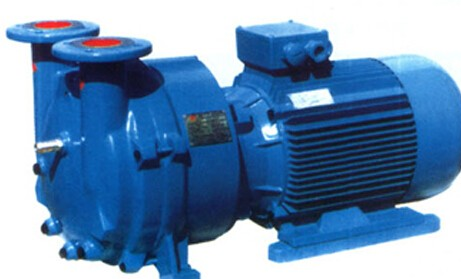
The above outlines the methods for addressing a reduction in vacuum level in water-ring vacuum pumps. We encourage you to familiarise yourselves with this information, as the wide range of applications for these pumps continues to expand due to their various advantages. Should you have any queries, please do not hesitate to contact us; we will provide professional guidance to help you avoid losses resulting from improper use.