
NewsNEWCENTER
Featured products
Contact Us
Causes of scaling in Water-ring vacuum pumps
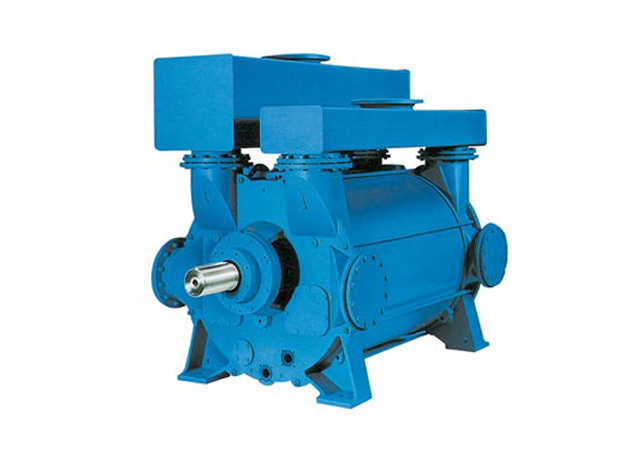
2026-09-01Water-ring vacuum pumps are now widely used and recognised for their various advantages. However, optimal performance can only be achieved by strictly adhering to operating procedures. Let us now examine the causes of scaling in water-ring vacuum pumps.
Many water-ring vacuum pumps are installed in harsh environments and are required to generate high levels of negative pressure; it is therefore normal for scaling to occur after a period of use. However, the occurrence of scaling often has significant consequences; in severe cases, the pump may seize up and become inoperable. Salts such as CaSO₄, CaSiO₃ and CaCO₃, which have low solubility and a negative temperature coefficient of solubility, become less soluble as the temperature of the circulating water rises, leading to precipitation and the formation of scale. During the operation of a water-ring vacuum pump, salts with high original solubility in the circulating water undergo physical and chemical reactions with other salts to form insoluble substances, resulting in scale formation. As the circulating water heats up, evaporation and concentration are inevitable; the concentration of dissolved salts in the water increases, and upon reaching saturation, precipitates are formed, resulting in scale.
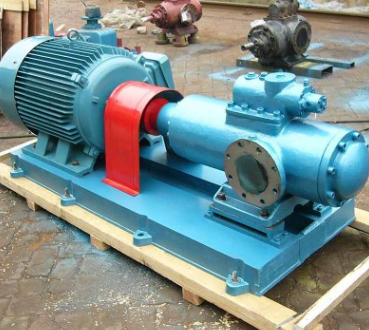
When circulating water containing hardness components enters the vacuum pump, the rotation of the pump generates heat within the water-ring vacuum pump housing, gradually causing the bicarbonates dissolved in the water to decompose and form precipitates that are difficult to dissolve, thus resulting in scale formation. Should scaling be detected in the water-ring vacuum pump, it must be addressed immediately. Even if there is only a small amount of scaling, if this is overlooked, it will accumulate over time to form extensive scaling, which is very troublesome to deal with. Not only will this affect the pump’s performance, but it will also delay work progress. Naturally, preventative measures must be taken before use.
The above outlines the causes of scaling in water-ring vacuum pumps. As these pumps are stable and reliable in long-term use, it is essential to ensure correct operating procedures are followed during construction to avoid unnecessary complications. We hope the information provided here proves helpful.