
NewsNEWCENTER
Featured products
Contact Us
Advantages of corrosion protection on the surface of vacuum pumps
2026-10-23Vacuum pumps are now increasingly widespread, and appropriate operating methods are selected during operation. As their use becomes more prevalent, their advantages are becoming increasingly apparent. To ensure optimal application, let us now explore the corrosion-resistant benefits of vacuum pump surfaces.
In industrial settings, should a vacuum pump inadvertently draw in corrosive gases, the first step is to remove the surface oxidation layer by cleaning the surface of the water-ring vacuum pump with acetone. Adjust the material proportions and stir thoroughly until there is no colour variation. First, apply a thin coat of the material to ensure a tight bond and complete coverage. Apply the material evenly to the surface of the water-ring vacuum pump components requiring repair and protection, achieving the required coating thickness. The thickness of the repair and protective coating must comply with the clearance requirements between the impeller and the disc. Curing for 24 hours at 24°C, or curing after heating, can improve the overall stability of the material; however, the temperature must not exceed the material’s temperature resistance limit. All parts of the water-ring vacuum pump should be treated with anti-corrosion measures prior to use. This provides strong corrosion protection for the vacuum pump, extends the service life of the equipment, enhances efficiency in the long term, and plays a vital role in maintenance.
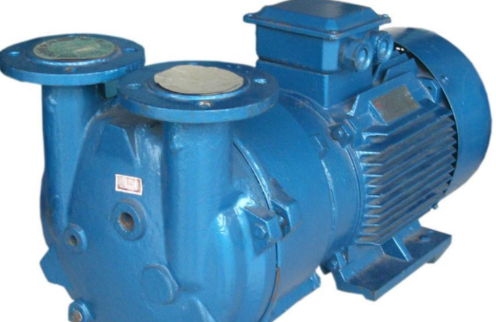
The above outlines the advantages of anti-corrosion treatment for vacuum pump surfaces. You may select the appropriate method based on your specific operational requirements to avoid unnecessary losses caused by improper handling. Should you have any further queries, please visit our website, where we regularly update our articles; we hope this information proves helpful.