
NewsNEWCENTER
Featured products
Contact Us
Specific Procedures for Filling a Liquid Ring Vacuum Pump with Water
2026-06-04As water-ring vacuum pumps are used in an increasingly wide range of applications and receive higher and higher ratings, their advantages are becoming widely recognized. To help you better understand them, let’s take a look at the specific methods for filling water-ring vacuum pumps with water.
Before using a water-ring vacuum pump, the filling operation is a crucial part of pump operation and maintenance. The pump can only operate normally if the pump and supply pipes are filled with water before startup. For small pump stations with supply pipes less than 300 mm in diameter, the supply pipe inlet is typically equipped with a foot valve. In such cases, the manual filling method is generally used, which involves filling the pump through a dedicated filling and venting port on the top of the pump casing using a filling funnel. For small pump stations without a foot valve, the vacuum tank filling method can be employed.
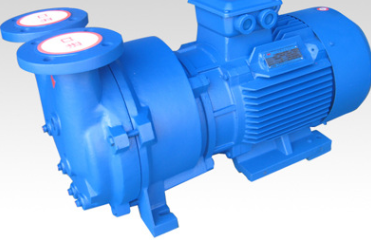
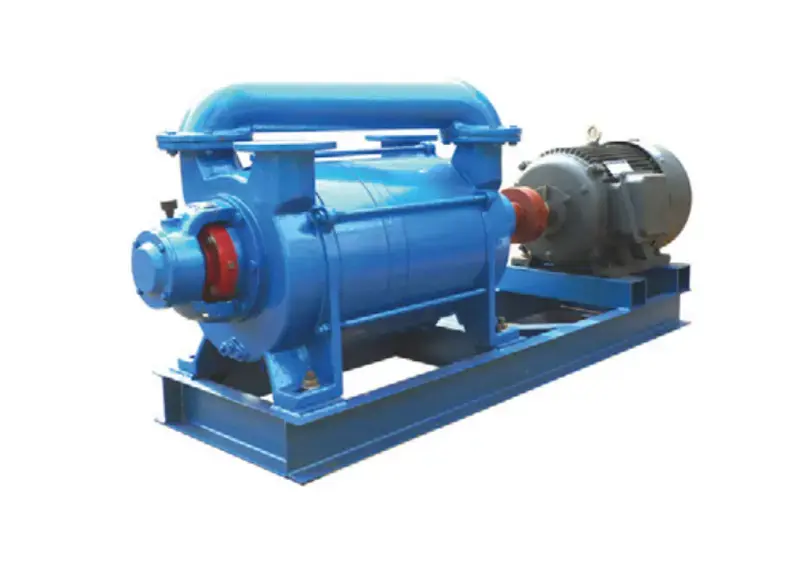
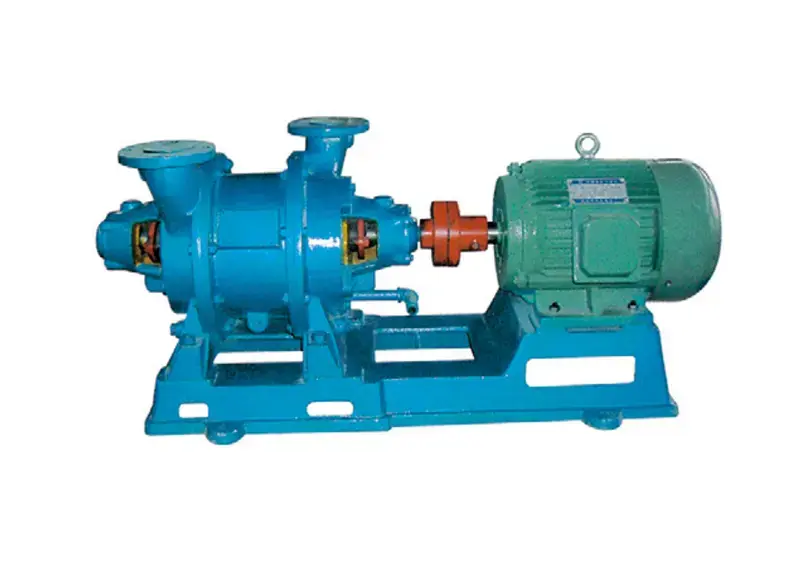
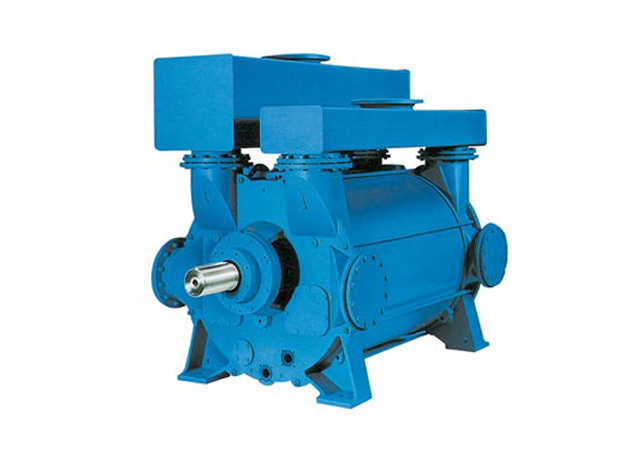
water-ring vacuum pump
Before starting the water ring vacuum pump, fill the water tank to create a seal. After the pump starts, water enters the vacuum tank, causing the water level to drop and creating a vacuum inside the tank. Water from the reservoir then enters the tank through the inlet pipe under atmospheric pressure, establishing a water circulation loop and enabling the pump to operate normally. A common practice is to install a manual pump on the suction port of the water ring vacuum pump or near the pump’s suction pipe to draw water. This serves as a tool for priming the vacuum pump when power is applied, eliminating the need for a foot valve in the suction pipe, reducing energy loss, and improving the efficiency of the pump system. The self-priming method utilizes a semi-submerged pump station (where both the inlet pipe and the top of the pump are below the water surface of the supply tank), allowing water to flow into the pump automatically without manual priming. The advantages of this pump station are clear: it facilitates automation and offers high operational efficiency.
The above details the specific methods for priming water-ring vacuum pumps. Before starting the water-ring vacuum pump, all necessary preparations must be completed. Operators must be proficient in safe and correct operating procedures to ensure the normal operation of the equipment, minimize operational issues, significantly reduce the occurrence of accidents, and ensure the safety of the operators themselves. We remind everyone once again that operations must strictly adhere to established procedures to avoid unnecessary complications and losses. We hope the information provided here is helpful to you.