
NewsNEWCENTER
Featured products
Contact Us
Pumping capacity of water-ring vacuum pumps
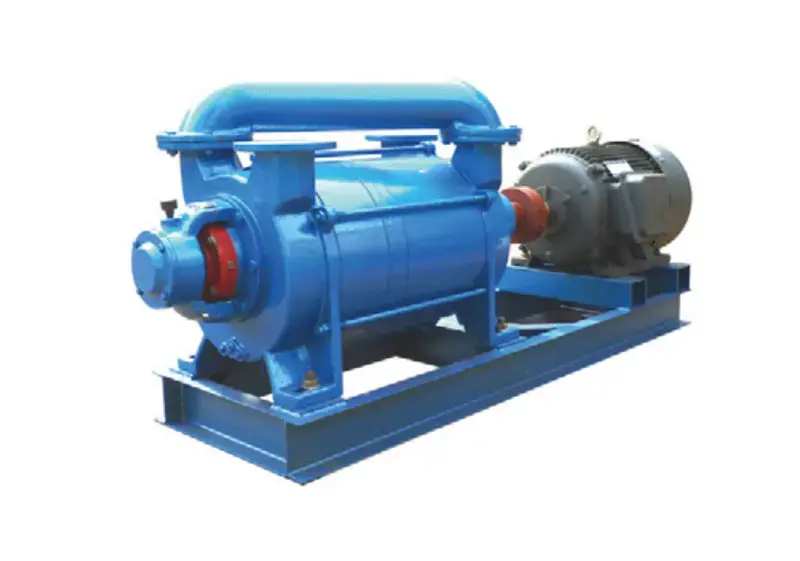
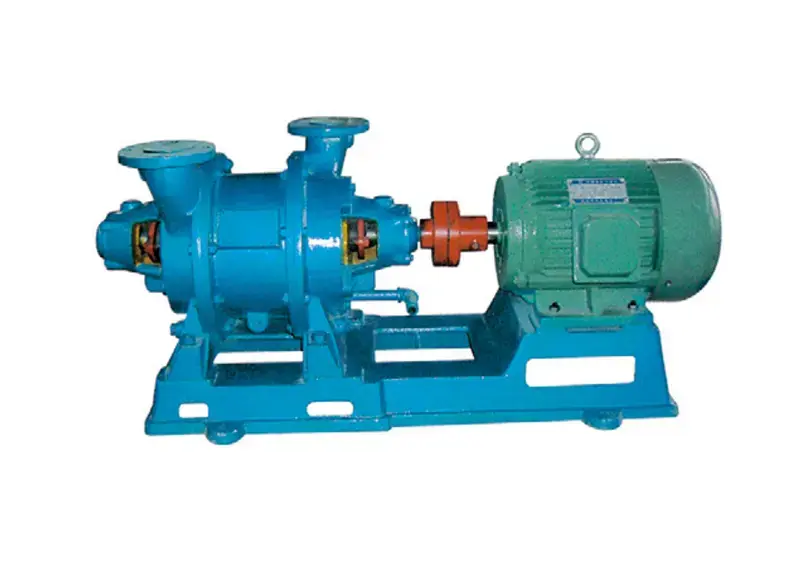
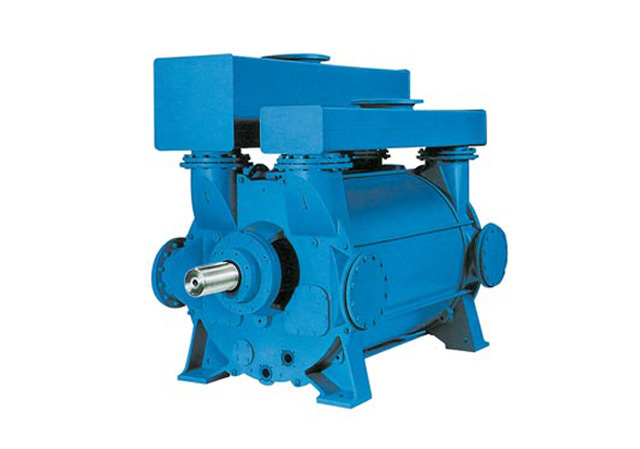
2026-10-13As water-ring vacuum pumps have become widely used in our daily lives, their relatively stable performance has gained widespread recognition. To ensure their optimal application, let us now explore the issues surrounding the pumping capacity of water-ring vacuum pumps.
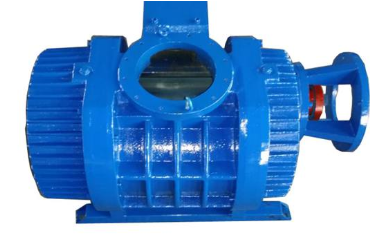
The effectiveness of a water-ring vacuum pump is primarily determined by its pumping capacity; as the vacuum level increases, cavitation may occur. Precision issues in the manufacturing process of vacuum pumps can result in significant residual gas. To address the cavitation problems encountered by liquid-ring vacuum pumps under high-vacuum conditions, solutions have been proposed. These involve optimising the operating environment and external conditions—such as the temperature of the circulating water and the gas being pumped—to minimise cavitation. Regarding the issue of manufacturing precision in liquid-ring vacuum pumps, this primarily hinges on the awareness of vacuum pump manufacturers and the enhancement of their design capabilities and production precision. This also serves as a test of the manufacturers’ production capacity; precision can be improved during production by strengthening equipment seals and carrying out routine maintenance to prevent complications such as a reduction in pumping capacity.
The above addresses issues concerning the pumping capacity of water-ring vacuum pumps. Given their high load-bearing capacity, stable and reliable performance over the long term, and extended service life, it is essential to ensure correct operating procedures are followed during operation to avoid unnecessary complications.