
NewsNEWCENTER
Featured products
Contact Us
Procedure for adjusting the water supply using a vacuum pump
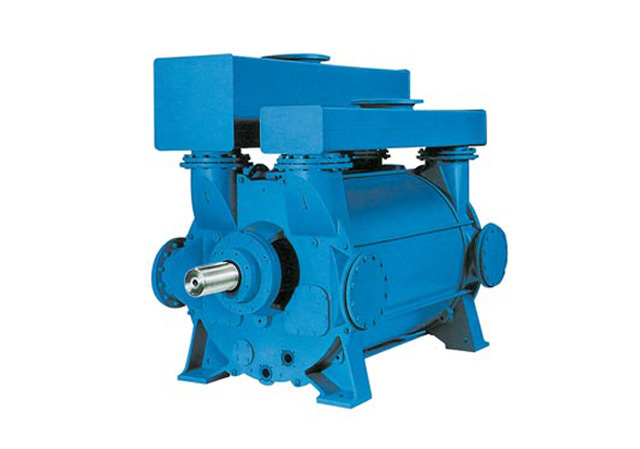
2026-11-03As vacuum pumps are becoming increasingly widespread, selecting the appropriate operating method throughout the equipment’s entire service life is essential to achieve optimal performance. To ensure better utilisation, let us now explore the methods for adjusting the water supply to a water-ring vacuum pump.
Throughout the entire start-up process of a water-ring vacuum pump, water is supplied continuously to maintain pressure equilibrium and ensure an adequate water supply. As the water supply rate for a vacuum pump falls within a specific range, the water supply valve can be adjusted according to the procedure to achieve the standard supply rate whilst conserving water. Once the liquid-ring vacuum pump is running normally, open the water supply valve slightly and observe the pressure on the inlet vacuum gauge. Gradually reduce the opening of the water supply valve; when the vacuum gauge needle begins to fluctuate or drop, the water supply is insufficient. Slowly reopen the water supply valve until the vacuum gauge needle stabilises again; the water supply rate at this point is the standard supply rate.
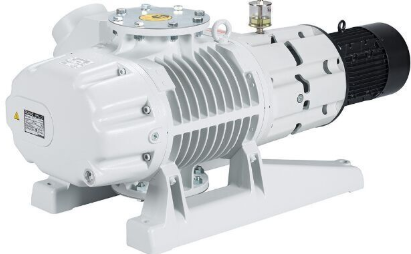
If the water supply to the liquid ring vacuum pump is insufficient, the equipment’s pumping capacity will decrease and operation will become unstable; conversely, an excessive water supply wastes water resources, increases the pump’s shaft power, and may even burn out the motor. As the water supply to the liquid ring vacuum pump is adjustable, it is essential to operate the water supply valve correctly during use and to regulate the water supply accurately in order to maximise the equipment’s efficiency.
The above outlines the operational methods for adjusting the water supply to a vacuum pump. Optimal performance can only be achieved through a combination of high-quality products and correct operating procedures. Should you have any queries, please do not hesitate to contact us; we will provide appropriate advice to help you avoid losses caused by improper operation.