
NewsNEWCENTER
Featured products
Contact Us
Methods for Repairing Cracks in Vacuum Pumps
2026-10-30As vacuum pumps become increasingly common, their quality has also improved significantly. Owing to their distinctive advantages, they are now widely used. To ensure they can be utilised more effectively and meet users’ requirements during operation, let us now explore the various methods available for repairing cracks in vacuum pumps.
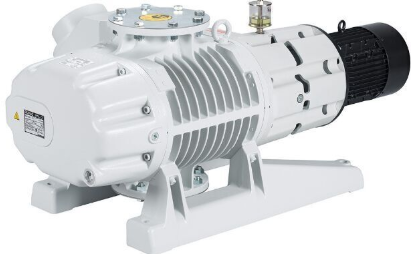
During the operation of vacuum pumps, the pump body is prone to cracking due to severe impact, uneven stress distribution or excessively low temperatures. This can affect the equipment’s performance and, to a certain extent, shorten its service life. Therefore, prior to repair, it is essential to determine the location and dimensions of the cracks in the water-ring vacuum pump. Kerosene can be used to identify subtle cracks. Prior to repair, measure the journal diameters on both sides of the unit’s rotor, the rotor’s deflection, and the run-out of the machined surfaces on the stiffener plates at both ends of the impeller. Use an angle grinder to grind down any visible cracks on the water-ring pump rotor, clean the area thoroughly, and round off the weld fillet to ensure the quality of the weld. Inspect areas prone to cracking using the dye penetrant method; if cracks are found, these must be ground down and welded. Use a polishing machine to smooth out rough areas on the impeller blades, improving the surface finish of the water-ring pump impeller. If the repair is unsuccessful, consult a specialist or refer the matter to the relevant manufacturer for handling to avoid unnecessary complications.
The above outlines repair methods for cracks in vacuum pumps. Please familiarise yourself with these procedures; only by following the correct operating methods during use can optimal results be achieved. Should you have any queries, please do not hesitate to contact us by telephone. We will provide appropriate advice based on your specific requirements to help you avoid unnecessary complications arising from improper operation.