
NewsNEWCENTER
Featured products
Contact Us
Methods for Controlling the Flow Rate of water-ring vacuum pumps
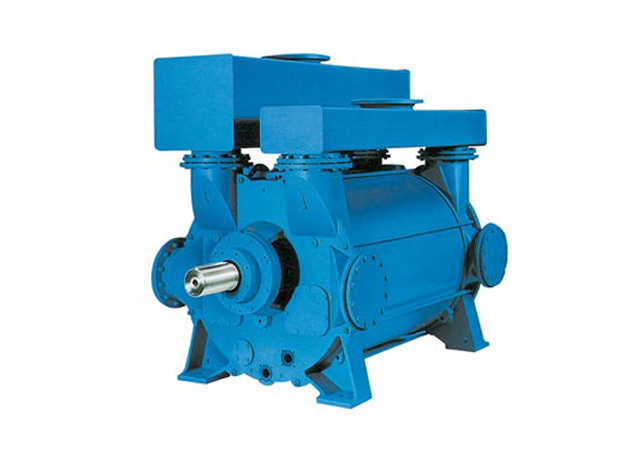
2026-06-18Everyone is now well aware of the advantages of water-ring vacuum pumps; as their characteristics are widely recognised, their utilisation is increasing. Furthermore, they are simple to manufacture, offer good chemical resistance and have an attractive appearance. Let us now take a look at the methods available for controlling the flow rate of water-ring vacuum pumps.
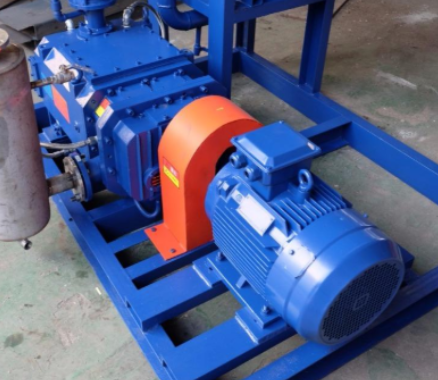
The flow rate of a water-ring vacuum pump plays a decisive role in its operational efficiency, and we should control the flow rate according to requirements, ensuring it remains within an appropriate range. Firstly, by adjusting the bypass valve—connecting the valve in parallel with the pump—we can alter the maximum discharge head of the water-ring pump, whilst simultaneously reducing the flow rate. Adjusting the impeller speed also affects the flow rate: a lower speed reduces the flow rate, whilst a higher speed increases it. Connecting a regulating valve in series with the water-ring pump and the discharge pipework is equivalent to implementing a new pump system, resulting in a slight reduction in the flow rate curve. Adjusting the impeller diameter causes the flow characteristic curve to vary accordingly. When controlling the flow rate of a water-ring pump, valve adjustment can be used to regulate the equipment’s flow rate; we can select the appropriate method based on requirements, thereby maintaining the flow rate within an effective range.
The above outlines the methods for controlling the flow rate of liquid ring vacuum pumps. Due to their advantages, these pumps are being used more and more widely. Should you have any queries, please do not hesitate to contact us; we will provide professional advice to help you avoid losses caused by improper use. We hope the information provided here proves helpful to you all.