
NewsNEWCENTER
Featured products
Contact Us
Maintenance Tips for Water-Ring Vacuum Pumps After Use
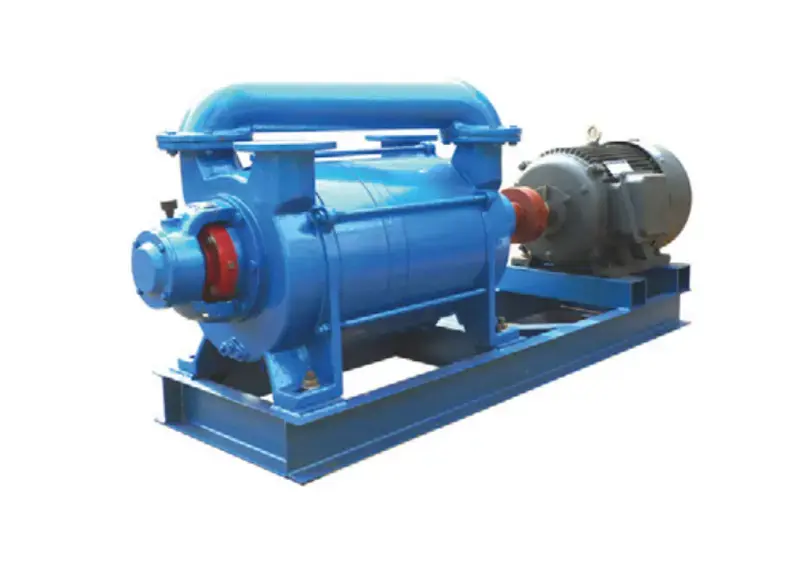
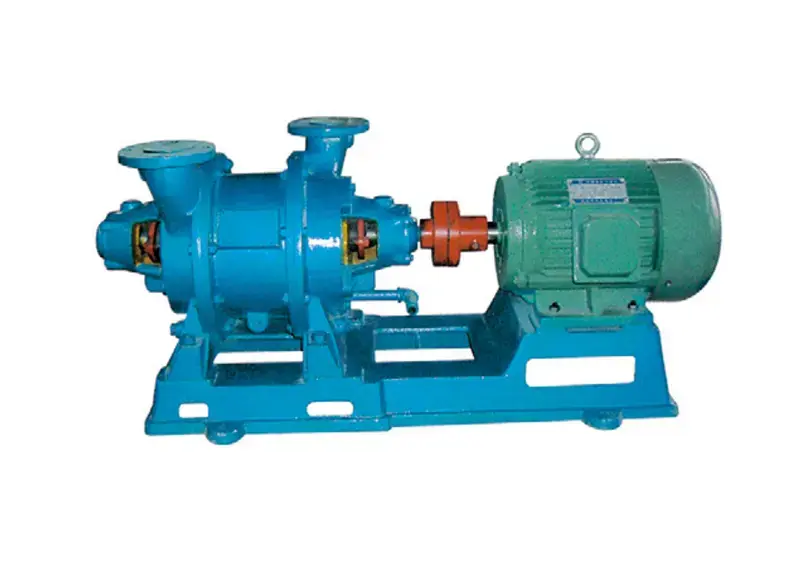
2026-07-01With the rapid development of urban planning and construction, water-ring vacuum pumps are now widely used in various projects, and their numerous advantages have been widely recognised. To ensure their optimal use, let us now take a look at the maintenance techniques for water-ring vacuum pumps after operation.
Maintenance of water-ring vacuum pumps is generally carried out in a planned manner during operational downtime or the winter maintenance period, including the inspection and treatment of the copper sleeves and oil sleeves of the pump regulators. Inspection of the vacuum pump guide bearings. The wear on rubber bearings, water leakage and journal wear must be inspected, recorded and addressed. Most oil guide bearings are made of Babbitt alloy steel; being soft, they are prone to wear. If the sealing is ineffective, water may enter the oil sump during shutdown, leading to sedimentation of silt and sand, which in turn causes wear to the bearings and journal during operation. In particular, carbon steel journal bearings that have not been spray-coated or lined with stainless steel should be inspected and treated regularly to assess their corrosion and wear. Inspect and test thermometers, instruments and relay protection devices. Take samples from the upper and lower guide bearing oil grooves and the turbine oil for analysis, and inspect the bearing clearance and bearing surfaces.
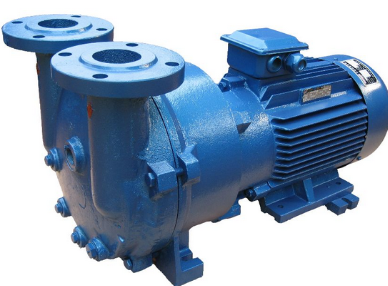
Based on the readings from the thermometers during operation of the liquid ring vacuum pump, carry out targeted inspections of the bearing clearances and shaft surfaces. Inspect and maintain the braking system, and check whether fasteners in all sections—such as anchor bolts, shaft keys and locating pins—are loose. Conduct a visual inspection of the oil cooler and perform a water test to check for any leaks. Inspect the impeller, blades and impeller casing for cavitation and silt-induced wear, and measure and record the extent of such damage. Measure the clearance between the blades and the impeller casing. In the event of normal wear and tear—such as operational friction wear, cavitation damage, abrasion caused by sediment, vibration resulting from various disturbances, the effects of alternating stress and corrosion, or ageing of electrical insulation—or in cases where components are severely worn or damaged, leading to a significant decline in the vacuum pump’s performance and technical-economic indicators, the entire unit must be dismantled for repeated repairs, replacements, adjustments and partial modifications.
The above outlines maintenance techniques for water-ring vacuum pumps following use. Owing to their various advantages, these pumps are widely utilised. Should you require further assistance, please do not hesitate to contact us. As a specialist manufacturer, we can recommend suitable models based on your specific requirements, thereby helping you avoid losses resulting from ill-informed choices.