
NewsNEWCENTER
Featured products
Contact Us
Issues relating to the pressure of liquid-ring vacuum pumps
2026-06-23liquid-ring vacuum pump
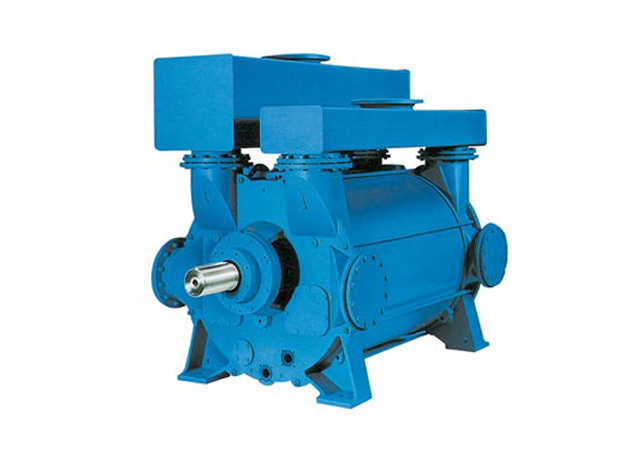
With the continuous advancement of technology, water-ring vacuum pumps have been widely adopted across various sectors due to their advantageous characteristics, bringing considerable convenience to our daily lives. To ensure their optimal use, let us now explore some key issues relating to the pressure of water-ring vacuum pumps.
1. Absolute pressure refers to the difference between the measured internal pressure and the theoretical vacuum. It is compared against the vacuum pressure value under theoretical conditions. Due to process limitations, it is impossible to reduce the internal pressure to a vacuum of 0 Pa; consequently, the vacuum value achieved by a liquid-ring vacuum pump is higher than the theoretical vacuum value. Therefore, when expressed as a vacuum value, the figure is not preceded by a negative sign.
2. Absolute pressure refers to the difference between the measured internal pressure and atmospheric pressure, indicating that the actual pressure within the system is lower than atmospheric pressure. As the air inside the vessel is pumped out, the internal pressure of the liquid ring vacuum pump is always lower than the external pressure of the vessel. Consequently, when expressed as absolute pressure or gauge pressure, the value must be preceded by a negative sign to indicate that the internal pressure of the vessel is lower than the external pressure.
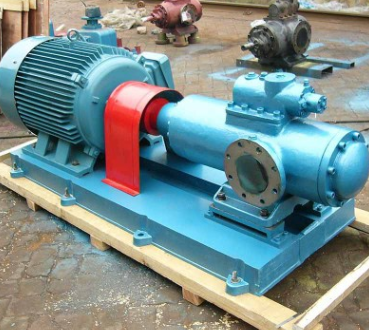
3. When using a water-ring vacuum pump, the stability of the pressure depends on its maintenance. During operation, attention must be paid to changes in the surrounding environment and the vacuum level of the air; only then can the pressure be fully released, thereby improving work efficiency. Timely cleaning and maintenance after use will extend the pump’s service life.
The above provides an overview of issues relating to the pressure of water-ring vacuum pumps. As these pumps offer stable and reliable performance, excellent wear and weather resistance, and a long service life, it is essential to follow correct operating procedures during use to avoid unnecessary complications.