
NewsNEWCENTER
Featured products
Contact Us
Installation Requirements for Water-Ring Vacuum Pumps
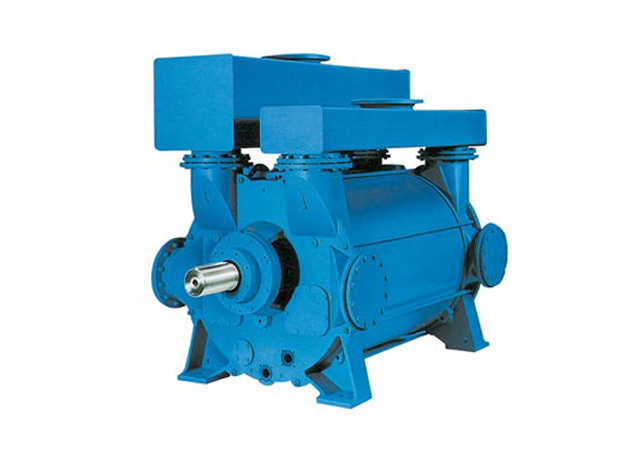
2026-06-29With the rapid development of urban planning and construction, water-ring vacuum pumps are now widely used in various projects, and their numerous advantages have been widely recognised. To ensure their optimal use, let us take a look at the installation requirements for water-ring vacuum pumps.
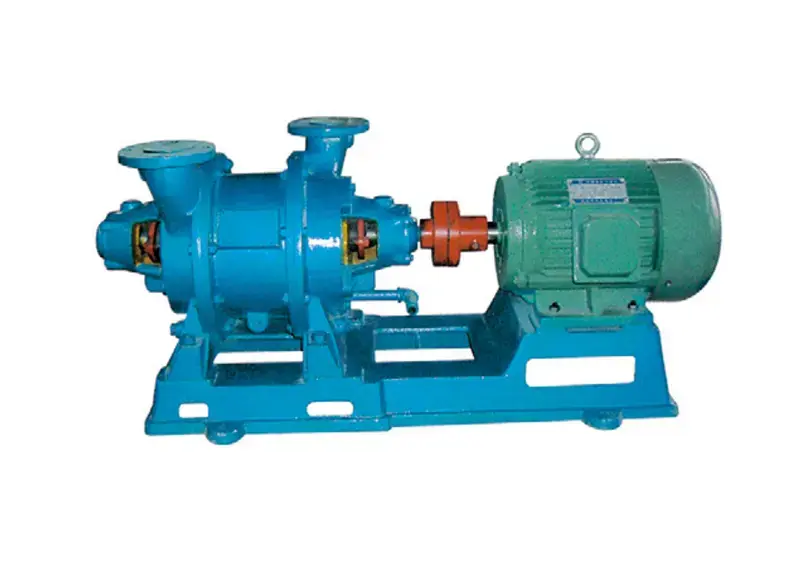
A water-ring vacuum pump is a device that uses various methods to improve, generate and maintain a vacuum within a sealed space; it is widely used in industries such as metallurgy, chemicals, food processing and electronic coating. The vacuum pump should be installed on a solid and stable floor, with sufficient space left around it to facilitate inspection, maintenance and servicing. The foundation beneath the pump base must be level. It is recommended to place shock-absorbing rubber pads at the four corners of the base or to cast the base in place using bolts to ensure smooth operation and minimal vibration. The piping connecting the pump to the system must be reliably sealed. For small pumps, metal piping with oil-resistant rubber gaskets may be used; for smaller pumps, vacuum hoses may be employed. The pipe diameter must not be smaller than the pump’s inlet diameter, and the piping should be kept short with as few bends as possible. When welding pipework, remove all welding slag from the pipes; it is strictly prohibited for welding slag to enter the pump chamber.
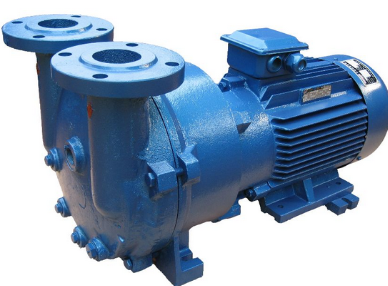
In the connecting pipework, the user may install a valve and a vacuum gauge upstream of the pump’s inlet to check the pump’s ultimate pressure at any time. Connect the power supply in accordance with the motor nameplate specifications, ensure the earth connection is made, and install fuses and thermal relays of the appropriate rating. When powering up the vacuum pump for a test run, the motor belt must be removed to ensure the pump’s rotation direction complies with specifications before commissioning, to prevent oil spray caused by reverse rotation. The rotation direction should be set in accordance with the direction indicated on the guard. For vacuum pumps with cooling water, connect the cooling water supply as specified. If a solenoid valve is installed at the pump inlet, the valve and the pump must operate simultaneously. Where the gas discharged by the pump affects the working environment, a duct may be fitted to the exhaust port to divert the gas, or an oil mist filter may be installed.
The above outlines the installation requirements for water-ring vacuum pumps. We hope you will refer to this information during future operations to avoid losses caused by improper handling. Should you require further assistance, please do not hesitate to contact us. As a specialist manufacturer, we can recommend suitable products tailored to your specific needs, thereby helping you avoid losses resulting from ill-informed choices.