
NewsNEWCENTER
Featured products
Contact Us
Causes of a reduction in vacuum level in water-ring vacuum pumps
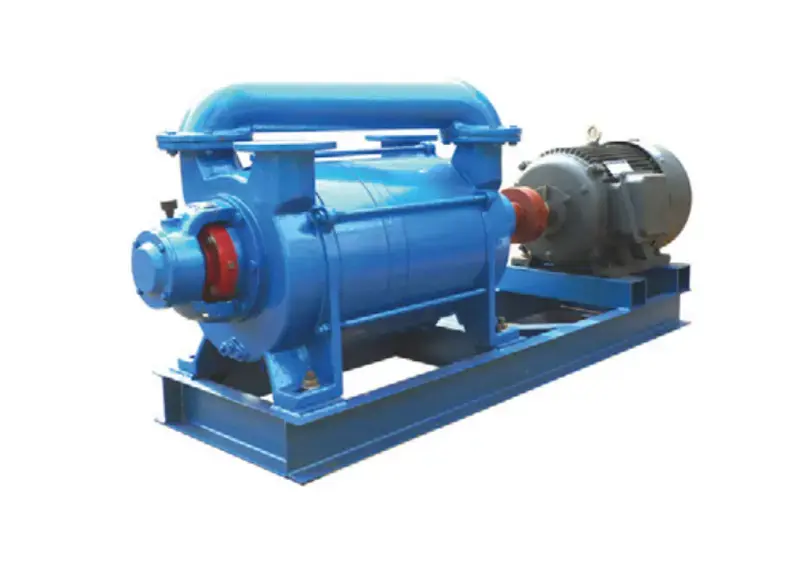
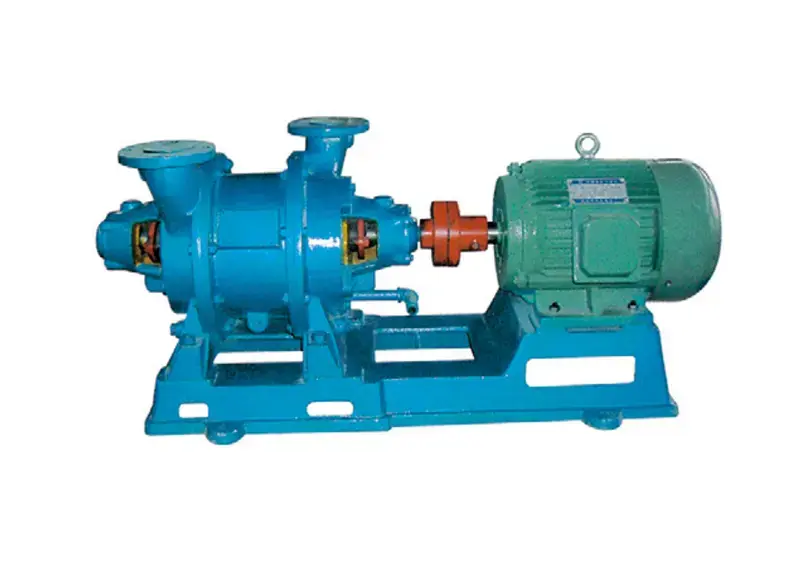
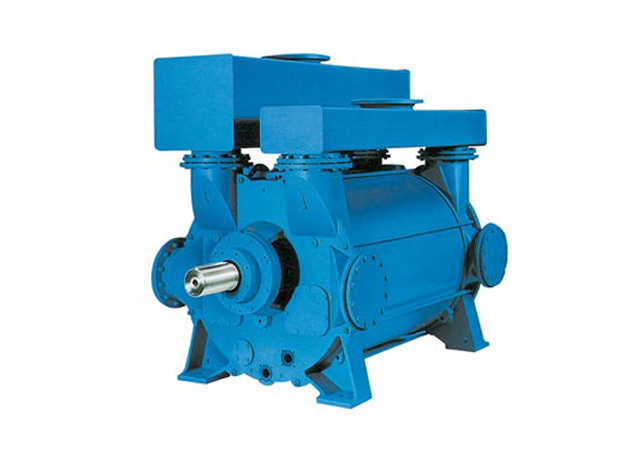
2026-07-25Nowadays, the advantages of water-ring vacuum pumps are widely recognised. As their characteristics are widely accepted, their usage is becoming increasingly common. To extend their service life, it is essential to carry out the necessary maintenance and servicing. Let us now take a look at the reasons behind a reduction in the vacuum level of water-ring vacuum pumps.
After prolonged use, the vacuum level of a water-ring vacuum pump may decrease due to various factors, such as increased clearances caused by wear and tear of components, blockages, or reduced rotational speed. This may be caused by an insufficient water supply to the pump, air leaks from the seal packing, or friction and scoring between the impeller and the side cover resulting from misaligned bearings, leading to air leaks. Additionally, the circulating water may become hot, causing the temperature to rise—though this is generally kept below 40°C. Blockages in the flow path of the water-ring vacuum pump or its pipework, or excessive clearance between the impeller and the side cover, can also be contributing factors. A reduction in the vacuum level of a water-ring vacuum pump will affect normal production operations; however, by addressing these issues, we can find solutions to the various problems and effectively prevent them from occurring.
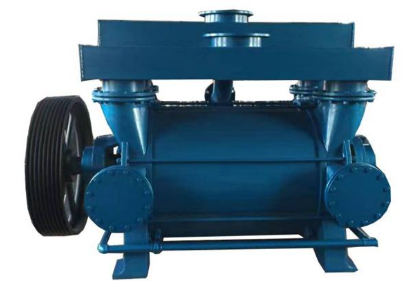
The above outlines the causes of reduced vacuum levels in water-ring vacuum pumps. To ensure stable performance, installation must be carried out in accordance with specified requirements. You may select the appropriate model based on your actual needs. Should you require further assistance, please do not hesitate to contact us. As a specialist manufacturer, we will provide sound advice to help you avoid losses resulting from ill-informed choices.