
NewsNEWCENTER
Featured products
Contact Us
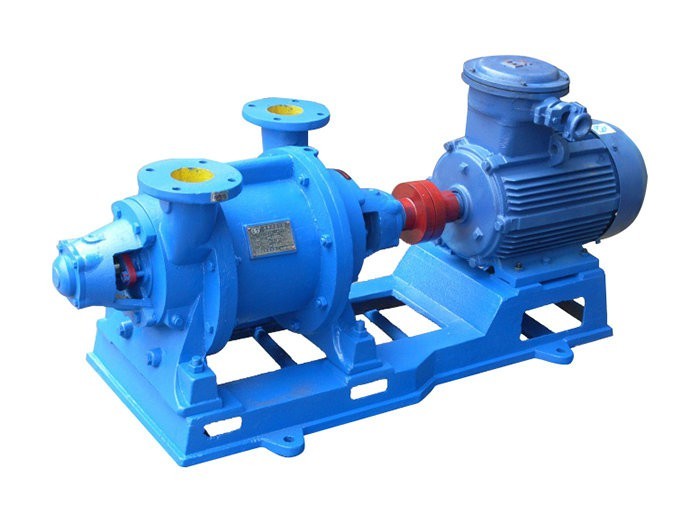
An Introduction to Routine Maintenance Procedures for Water Ring Vacuum Pumps
2026-06-02The liquid ring vacuum pump is one of the most commonly used types of vacuum pumps, featuring a simple operating principle, compact design, and easy maintenance. However, as the pump ages, its performance may decline, making regular maintenance particularly important. This article outlines the maintenance procedures for liquid ring vacuum pumps to help users better maintain their equipment.
I. Minor Maintenance
1. Inspect the coupling, replace the elastic rubber rings, and verify the coupling’s concentricity.
2. Inspect the water ring vacuum pump’s sealing system and replace the packing.
3. Inspect the shaft and replace the lubricating oil (or grease).
4. Inspect and tighten all connecting bolts.
5. Clean and inspect the vacuum pump.
II. Intermediate and Major Overhauls
1. Check for runout in the water ring vacuum pump rotor and verify the rotor’s static balance.
2. Inspect or correct the straightness of the shaft.
3. Disassemble the vacuum pump to inspect the wear and corrosion of all components, and inspect or replace parts as necessary.
4. Replace the impeller and shaft sleeve of the water ring vacuum pump.
5. Replace the lubricating oil in the rolling shaft pump.
6. Check and adjust the clearance between both ends of the impeller and the front and rear covers.
7. Adjust the levelness of the pump body.
8. Calibrate the vacuum gauge.
9. Paint the pump housing.
The above outlines the maintenance procedures for water ring vacuum pumps. Maintenance tasks are primarily divided into three categories: minor repairs, intermediate repairs, and major overhauls. It is recommended to disassemble and inspect the vacuum pump for internal corrosion approximately once a year. These operations are critical to ensuring the service life and performance of the water ring vacuum pump. Only by thoroughly inspecting every component of the vacuum pump can we promptly identify and resolve issues, thereby avoiding unnecessary losses.